Ecommerce brands
Differentiation, content, packaging, and launch timing.
Private-label manufacturing
Start with a confirmed product direction, define how your brand should enter the market, and prepare the details required for a written project quotation.

Buyer answer
Define the target market, sales channel, customer segment, product position, preferred models or functions, expected quantity, voltage, branding needs, packaging direction, document requirements, and requested timing. Use those inputs to shortlist confirmed products and obtain written confirmation of the available scope, price, terms, and production plan.
A useful discussion begins with how the chair will be sold. Position, presentation, documents, and commercial requirements change by channel.
Differentiation, content, packaging, and launch timing.
Position, showroom presentation, functions, and support.
Voltage, documents, trade terms, and repeat supply.
Range structure, channel fit, and project consistency.
Build the project brief
Use this framework to prepare a productive factory conversation. It is a requirements checklist, not a promise that every option applies to every model.
Clear project boundaries
Private-label possibilities depend on the selected model, project quantity, requested changes, material availability, and production confirmation.
Model direction, confirmed specifications, voltage, branding requests, appearance direction, packaging, and documents.
Available scope, samples, thresholds, pricing, timing, trade terms, final specification, packing, and delivery requirements.
These models illustrate premium, core, and market-entry positions. They are evaluation starting points, not fixed private-label packages.

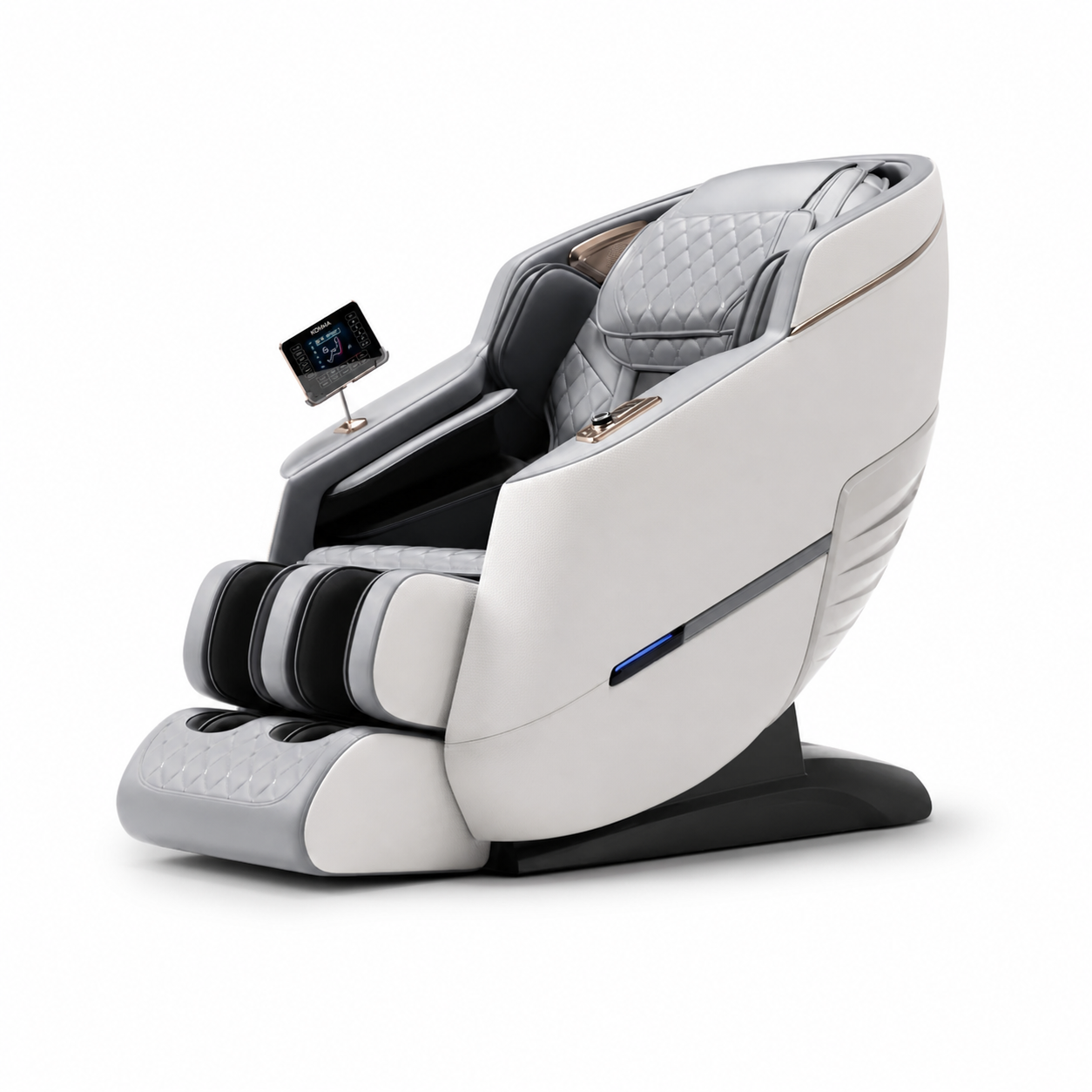
Market, channel, position, quantity, and priorities.
Compare confirmed models and relevant directions.
Record specification, branding, terms, and timing.
Follow the approved quality, packing, and support route.
Evidence before commitment
Review manufacturing operations, the OEM route, quality follow-up, and wholesale selection before requesting final project terms.
Share what is already decided. Any missing point can be clarified during product evaluation.